
Technology & AI
Anthropic Policy Chief Jack Clark Briefs Lawmakers on AI GDP Growth as Retailers Face Dynamic Pricing Scrutiny
Anthropic co-founder Jack Clark highlights AI-driven GDP growth and a drop in junior tech hiring from 27% to 9% while California officials scrutinize AI dynamic pricing at retail stores.
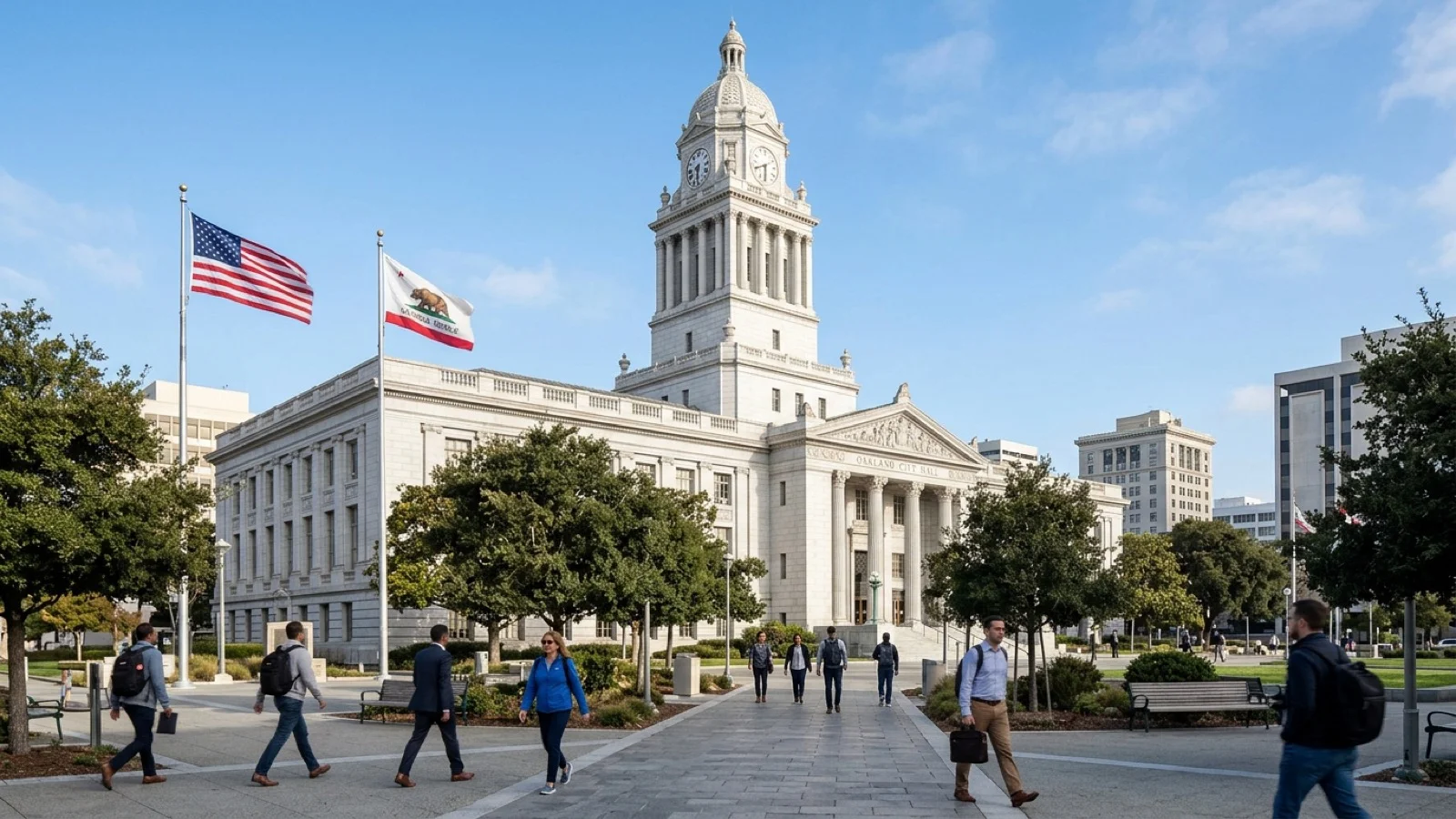
San Francisco-based Anthropic co-founder and Head of Policy Jack Clark briefed lawmakers and economic officials this week, stating that rapidly advancing frontier AI systems could substantially boost United States gross domestic product (GDP) over the coming decade. Speaking from the company's policy program centered on Howard Street in San Francisco, Clark simultaneously urged international cooperation to establish rigorous governance rules for transformative models. Economic development commissions, municipal labor boards, and technology council representatives across San Francisco, Oakland, San Ramon, and Concord are weighing how rapid automation will reshape regional employment and consumer markets.
Clark's policy briefing follows Anthropic's October 2026 workforce report showing a sharp structural shift in entry-level technical recruiting across the software industry. The report documented that junior technical hires with fewer than three years of experience fell from 27 percent to 9 percent since early 2025 as AI coding agents automated routine implementation tasks. Meanwhile, engineering departments have shifted staff time and $180,000-plus senior compensation budgets toward cross-functional system architecture, code auditing, and safety review.
At the consumer level, retail economists and shopper advocacy groups report rising public apprehension as United States grocery chains, big-box retailers, and e-commerce platforms deploy AI-assisted dynamic pricing engines. Paired with electronic digital shelf labels, these retail algorithms can adjust item prices in real time based on local demand, inventory levels, time of day, and shopper data. Consumer board advocates in Walnut Creek and East Bay suburbs warned that opaque price fluctuations could add hundreds of dollars to annual household grocery bills.
In response, California legislators and Bay Area consumer protection officials in San Francisco, Oakland, and Contra Costa County are reviewing algorithmic price-transparency proposals ahead of the upcoming legislative session. County weights-and-measures departments and district attorney consumer units want to ensure automated retail pricing systems do not engage in deceptive surge pricing on household essentials. Proposed municipal and state rules would require clear disclosure whenever algorithmic pricing programs modify shelf prices during store operating hours.
Policy researchers, business owners, and residents can review Anthropic's economic and workforce reports online at anthropic.com or contact the San Francisco office at 500 Howard Street at (415) 799-2800 between 9:00 AM and 6:00 PM Monday through Friday. Consumer inquiries regarding retail scanner accuracy and pricing regulations in Contra Costa County may be directed to county consumer protection officials or reviewed at ca.gov. Public committee hearings on algorithmic pricing transparency will continue in November.
Comments (0)
No comments yet. Be the first to share a thought on this story.
Request a correctionContact the newsroom
Keep reading
The Next AI Revolution May Be Made of Concrete
Self-driving cars could change where we live. Artificial intelligence could change how our homes are built. Together, they may reshape the economics of housing.